Supported Independent Living, usually shortened to SIL, is one of the most talked about supports in the National Disability Insurance Scheme (NDIS). It is also one of the most misunderstood. This guide explains what SIL is, what it covers and does not cover, who it can suit, and what to think about before you start.
It is general information. Your own plan and situation matter, so check the details with the NDIA, your support coordinator or your plan manager.
SIL in one sentence
SIL is help with, or supervision of, the everyday tasks of living in your home, so you can live as independently as possible.
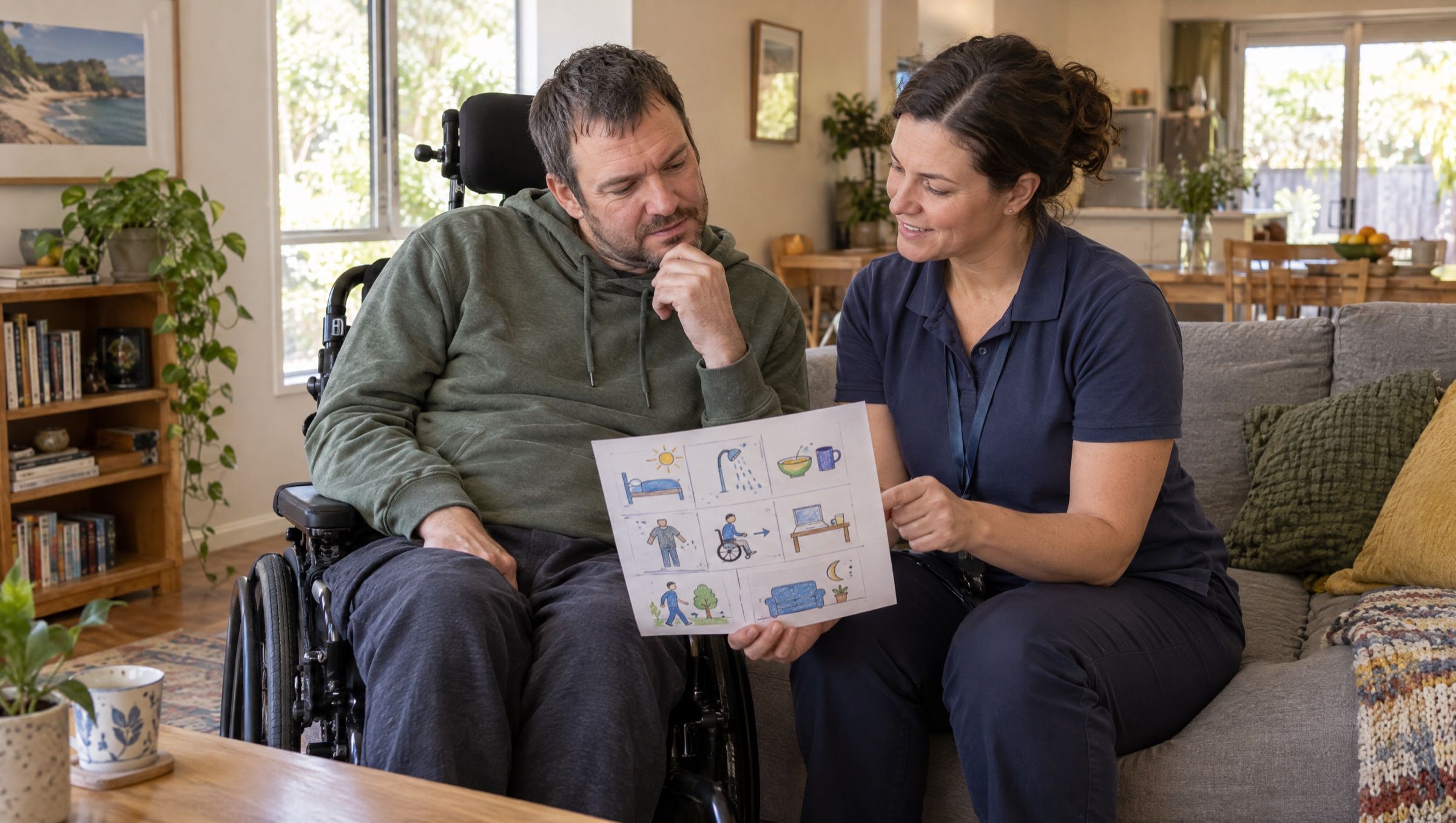
That help is usually available across much of the day, and it is planned around you and, in a shared home, around the people you live with. It might mean a support worker helps you get ready in the morning, cooks with you, reminds you about medication, helps you manage money for the week, or is there overnight if you need someone close by.
What SIL pays for
SIL pays for the support. In practice that is the time of the support workers who help you at home, and the work that goes into planning and managing that support well.
Common examples include:
- personal care, such as showering, dressing and grooming
- help with meals, from planning and shopping to cooking and cleaning up
- household tasks, such as laundry and keeping shared spaces tidy
- support with medication and health routines, in line with your plans
- building everyday skills, such as budgeting, cooking or catching public transport
- support to keep a routine that works for you, including overnight support where it is needed
Good SIL is not about doing everything for you. It should help you do more for yourself over time, in the way you like things done.
What SIL does not pay for
SIL is support, not housing. It does not pay for:
- rent or board
- food and groceries
- electricity, gas, water, internet and other bills
- your personal items, clothes, outings or entertainment
You pay these day to day living costs yourself, often from the Disability Support Pension or other income, the same way anyone who lives in their own home would. In a shared home, housemates usually share some costs, such as groceries and utilities. Ask any provider to explain in writing how shared costs work before you agree to anything.
The home itself is a separate matter. Some people who receive SIL live in Specialist Disability Accommodation (SDA), which is funded housing for people with very high support needs. Many others live in a private rental, social housing, a home owned by family or their own home. SIL and SDA are different supports, with different agreements. Our guide SIL and SDA: what is the difference? explains this in more detail.
Who SIL can suit
SIL is generally for people who need a higher level of help at home, often across most of the day, every day. It can suit someone who:
- wants to move out of the family home and live with support on hand
- needs help or supervision with many daily tasks
- is ready to share a home with a small number of other people, or wants to live alone with support
SIL is not the only way to get support at home. Some people use in-home supports at set times of the day. Others use Individualised Living Options (ILO), a different NDIS approach that designs support around one person’s living arrangement, such as living with a host or a housemate. Which option fits depends on your needs, your goals and what the NDIA agrees is reasonable and necessary for you.
How SIL is usually funded
When SIL is included in a plan, it is usually funded in the Core supports part of the plan, under Assistance with Daily Life. Core supports are the everyday supports that help you with daily activities.
The NDIA decides whether SIL is included and how much funding goes with it. A provider cannot promise that your plan will include SIL, and neither can we. What a provider can do is help you understand the process and describe the support you would need.
If you are thinking about SIL, it helps to:
- Talk about your home and living goals with your planner, local area coordinator or support coordinator.
- Gather evidence about your support needs. The NDIA often asks for reports from allied health professionals, such as an occupational therapist’s functional assessment.
- Think about where and how you want to live, including whether you would like to share and with whom.
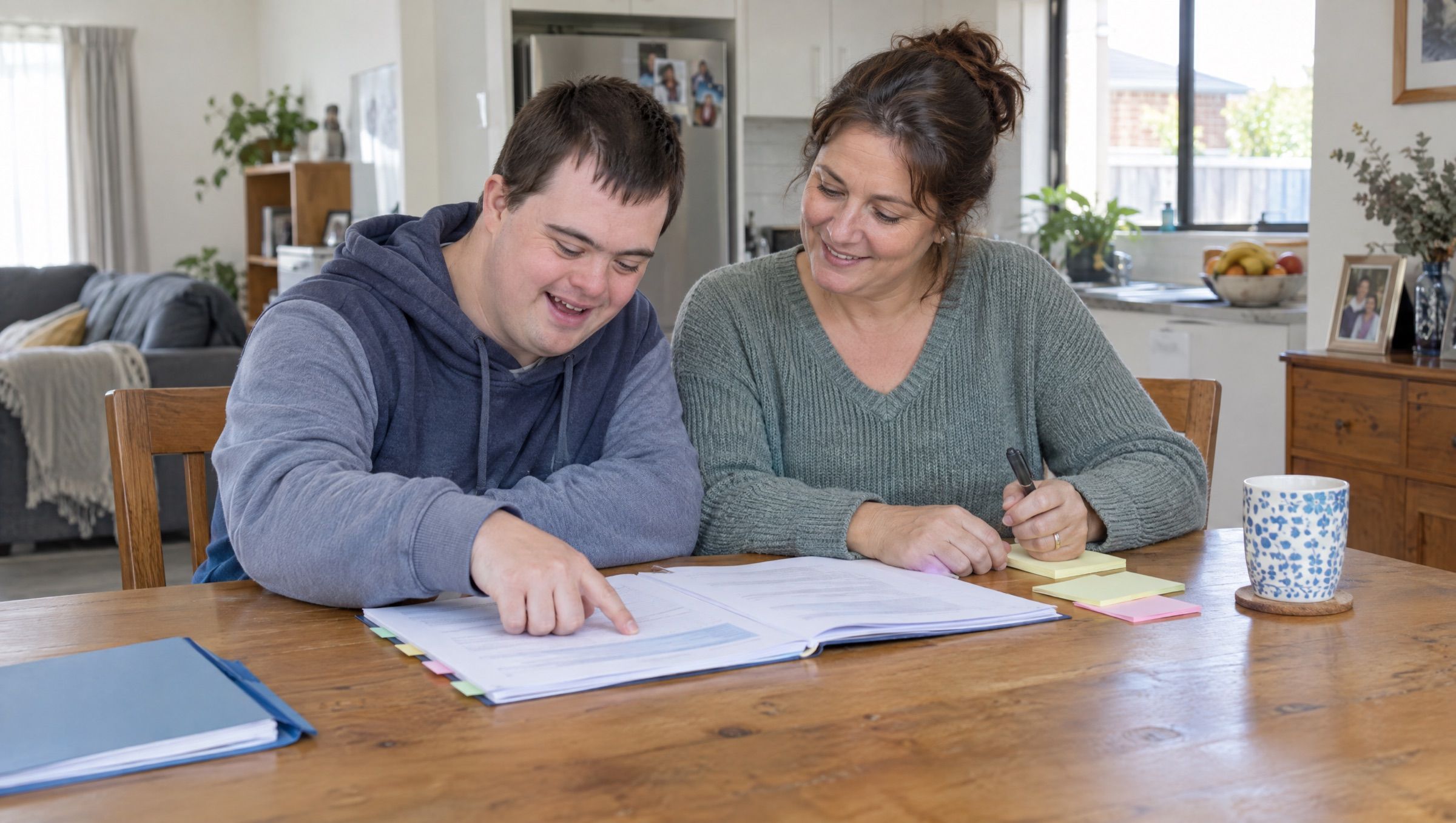
Many providers describe the support needed in a shared home in a document called a Roster of Care. It sets out when support is provided, how many workers are on shift and how support is shared between housemates. Ask any provider how they work out a roster and how you will be involved.
Prices for SIL are set by providers within the price limits the NDIA publishes in the NDIS Pricing Schedule, which is updated from time to time. A provider should explain its prices clearly and in writing before support starts.
Sharing a home
Many people who receive SIL share a home. Sharing can mean company, friendship and a steadier roster. It can also be hard if housemates do not get along.
Things worth asking about:
- How are housemates matched, and do you get a say?
- Can you visit, stay for a meal or try a short stay first?
- How is support shared, and when do you get one to one time?
- What happens if living together is not working?
You should have your own bedroom and privacy, and a say in how the home runs.
Your choice and control
The NDIS is built on choice and control. With SIL, that means you choose your provider, you have a say in who supports you, and you can change provider if the support is not right.
Because support and housing are separate, changing your SIL provider should not mean you have to leave your home. If the same organisation provides both your housing and your support, read both agreements carefully and ask what would happen if you changed one of them. Our guide How to change your NDIS provider walks through the steps.
Questions to ask a SIL provider
When you talk to a provider, it is fair to ask:
- Who will support me, and how often will the faces change?
- How do you learn how I like things done?
- How will you help me build skills, not just do things for me?
- How do you keep my family or support network informed, with my permission?
- What is in the service agreement, and can I have it in plain language or Easy Read?
- How do I raise a concern, and what happens when I do?
You can always make a complaint to the NDIS Quality and Safeguards Commission, whether or not you have talked to the provider first.
The short version
SIL is help with daily life in your home. It pays for support, not for the home or your living costs. The NDIA decides whether it is in your plan. You choose who provides it, and you can change your mind.
If you would like to talk it through, contact us. We are happy to explain SIL in more detail or send this guide in another format.
This guide is general information, not advice about your plan. NDIS rules change from time to time. For your own situation, check with the NDIA, your support coordinator or your plan manager.
How Manora Care provides Supported Independent LivingHelp with daily life in a shared or single home, rostered around your plan and the people you live with.